The Importance of Air-Tightness Testing
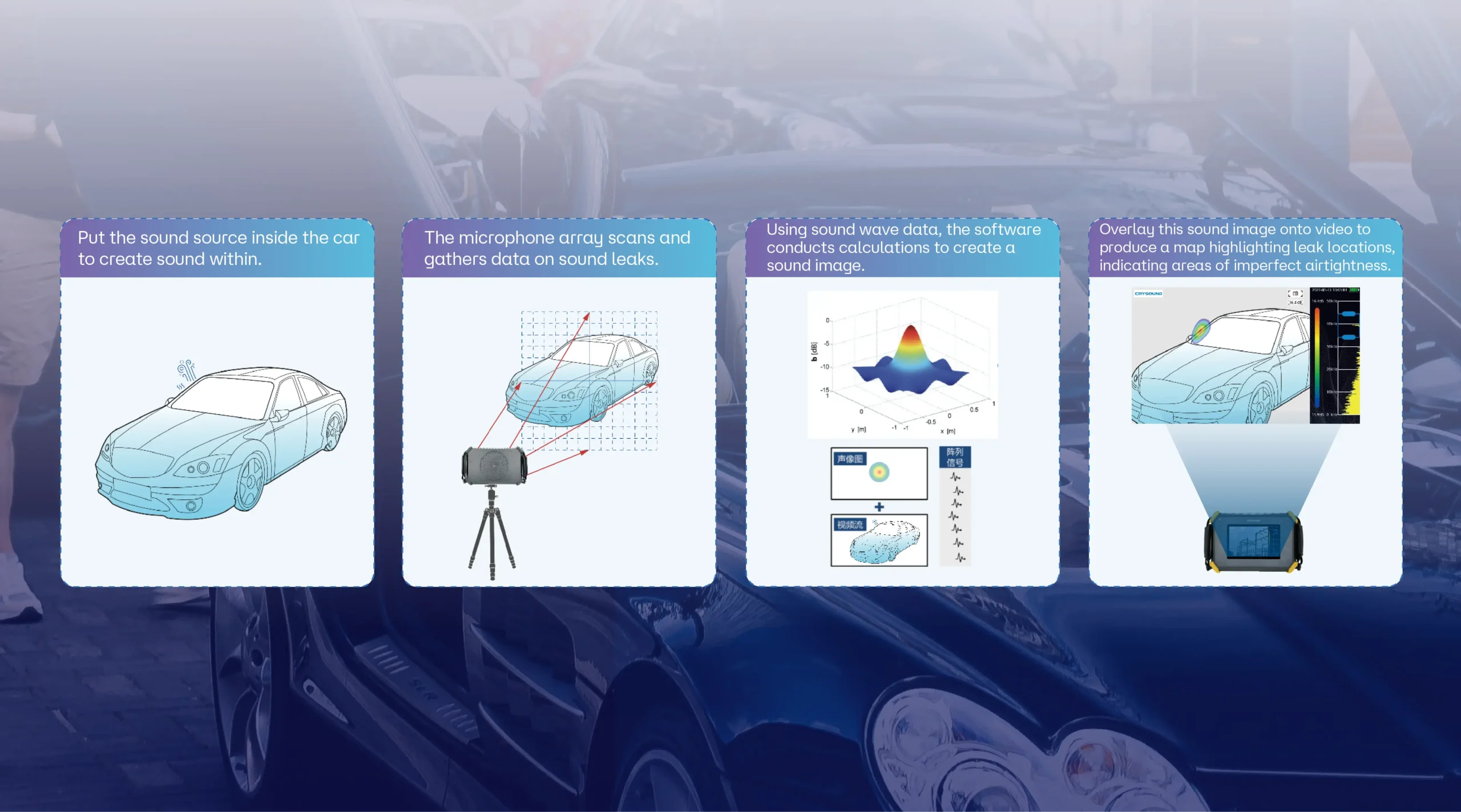
Vehicle and vessel air-tightness testing assesses the effectiveness of seals during operation, ensuring there are no leaks under varying conditions. This process enhances both safety and performance.
Reduce noise intrusion
By testing air-tightness, users can repair relevant defects, reduce noise intrusion, and support the overall experience for end-customers.
Boost safety
Good air-tightness can prevent liquids from infiltrating vehicles and vessels, enhance overall strength and stability, and reduce the risk of accidents.
Non-Destructive Testing
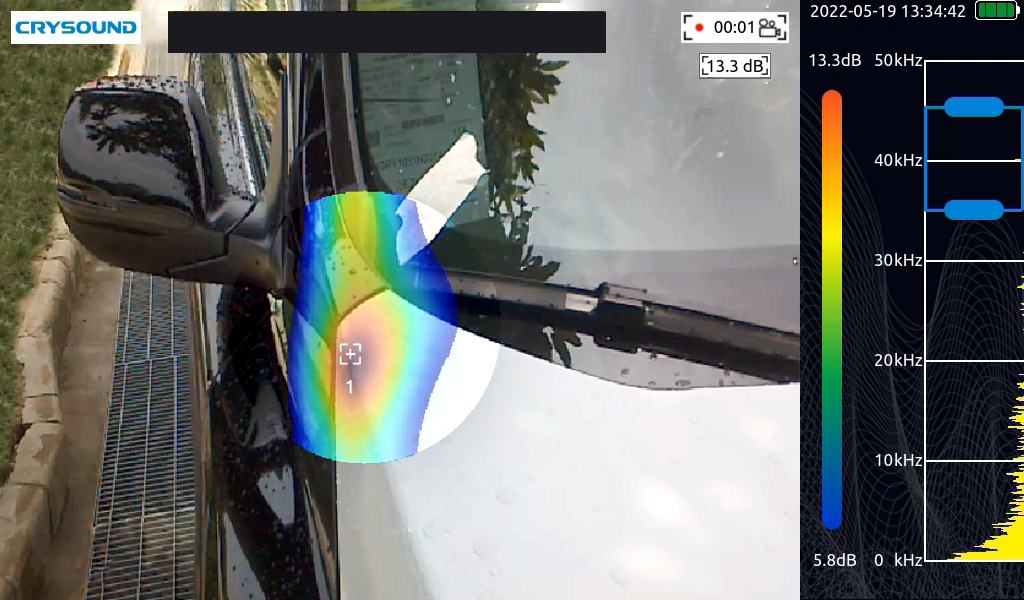
No-contact scanning and testing of mating sealing surfaces enables non-destructive air-tightness testing of vehicles and vessels from a distance.
Does not impact the integrity of the object
Non-destructive testing does not cause any physical damage or alteration to the tested object and is suitable for high-value or critical safety components.
Save time and costs
Testing can be conducted without disassembly or interruption of the production process, reducing maintenance costs and downtime
High-Efficiency Detection
Acoustic imaging technology plays an important role in leak detection, improving testing efficiency and ensuring the safety and reliability of products.
Real-time imaging
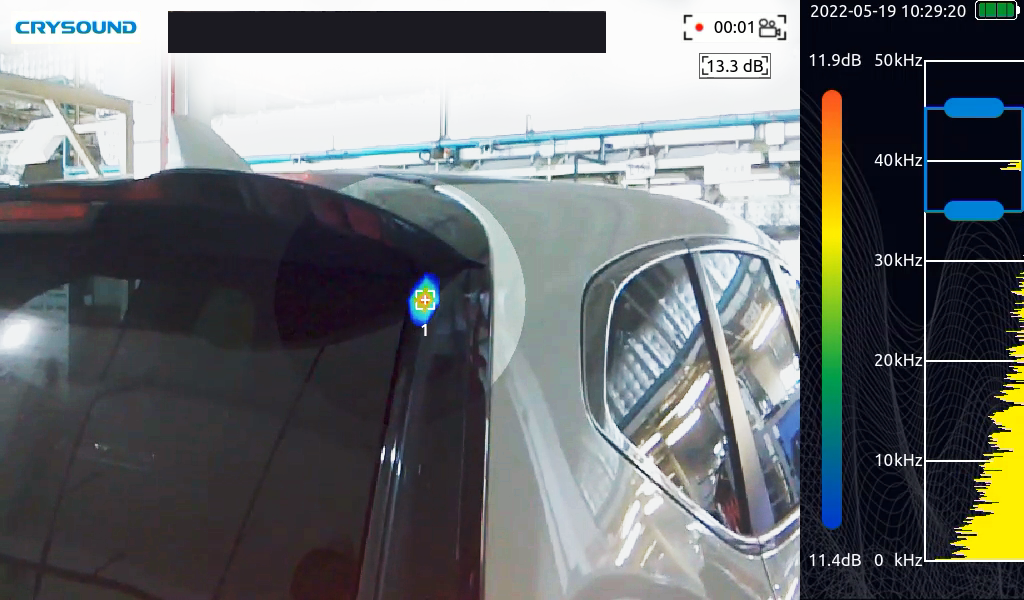
The device provides real-time images and data, allowing engineers to quickly analyze and make decisions.
Results visualization
The acoustic images are easy to understand and analyze, making the issues intuitive and facilitating communication.
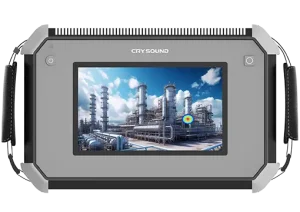
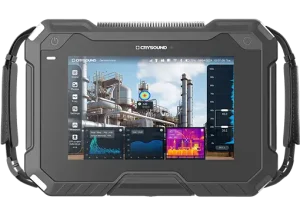
CRY2620 64-Mic Industrial Acoustic Imaging Camera
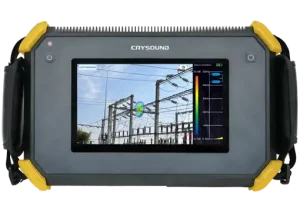
CRY2623 128-Mic Industrial Acoustic Imaging Camera