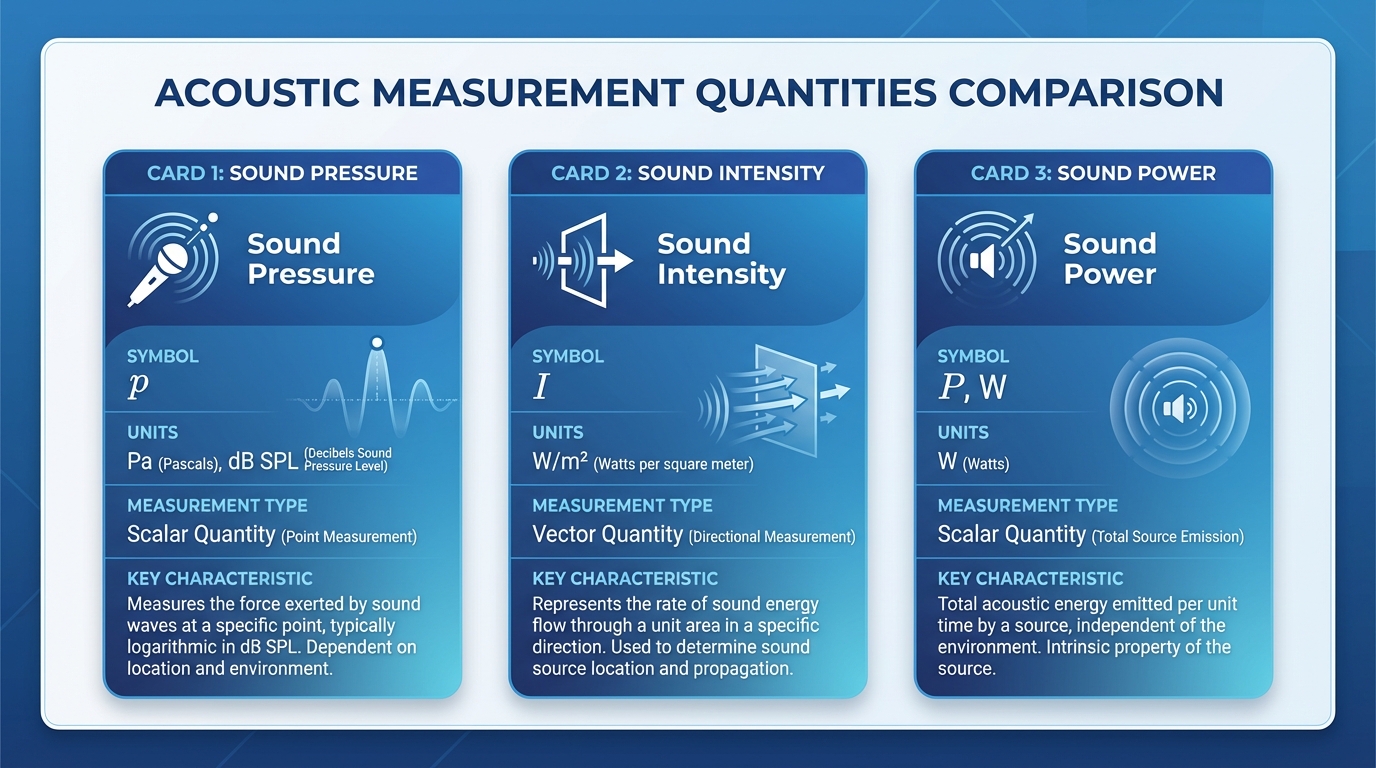
Sound pressure level, sound intensity, and sound power are three fundamental quantities in acoustic measurement, yet they are routinely confused—even by experienced engineers. This guide explains what each quantity physically represents, how they relate to each other, how to measure them according to international standards, and—most importantly—when to use which one in real engineering practice.
The Three Quantities at a Glance
| Quantity | Symbol | Unit | What It Describes | Depends on Environment? |
|---|---|---|---|---|
| Sound Pressure | p (level: Lp) | Pa (dB re 20 µPa) | Force per unit area at a point | Yes |
| Sound Intensity | I (level: LI) | W/m² (dB re 1 pW/m²) | Energy flow per unit area in a direction | Partially |
| Sound Power | W (level: LW) | W (dB re 1 pW) | Total acoustic energy radiated by a source | No |
The key distinction: sound pressure and intensity depend on where you measure; sound power is an intrinsic property of the source.
Sound Pressure: What You Hear
Sound pressure is the local fluctuation in air pressure caused by a sound wave. Sound pressure level (SPL) is expressed as:
Lp = 20 × log₁₀(p / p₀)
where p₀ = 20 µPa is the reference pressure.
Key characteristics: Scalar quantity, location-dependent, easy to measure with a single calibrated microphone.
When to use: Noise exposure assessment (ISO 9612), environmental noise monitoring, product noise labeling, quick field checks.
Sound Intensity: Energy Flow with Direction
Sound intensity is the rate of acoustic energy flow through a unit area in a specified direction—a vector quantity with both magnitude and direction.
Key characteristics: Directional, less sensitive to background noise, requires specialized two-microphone probe.
When to use: Sound power determination in situ (ISO 9614), noise path identification, transmission loss testing.
Sound Power: The Source’s Intrinsic Noise Rating
Sound power is the total acoustic energy radiated by a source per unit time—independent of environment.
When to use: Product noise specifications (EU Machinery Directive), noise prediction and modeling, procurement and tendering.
Measurement Methods and ISO Standards
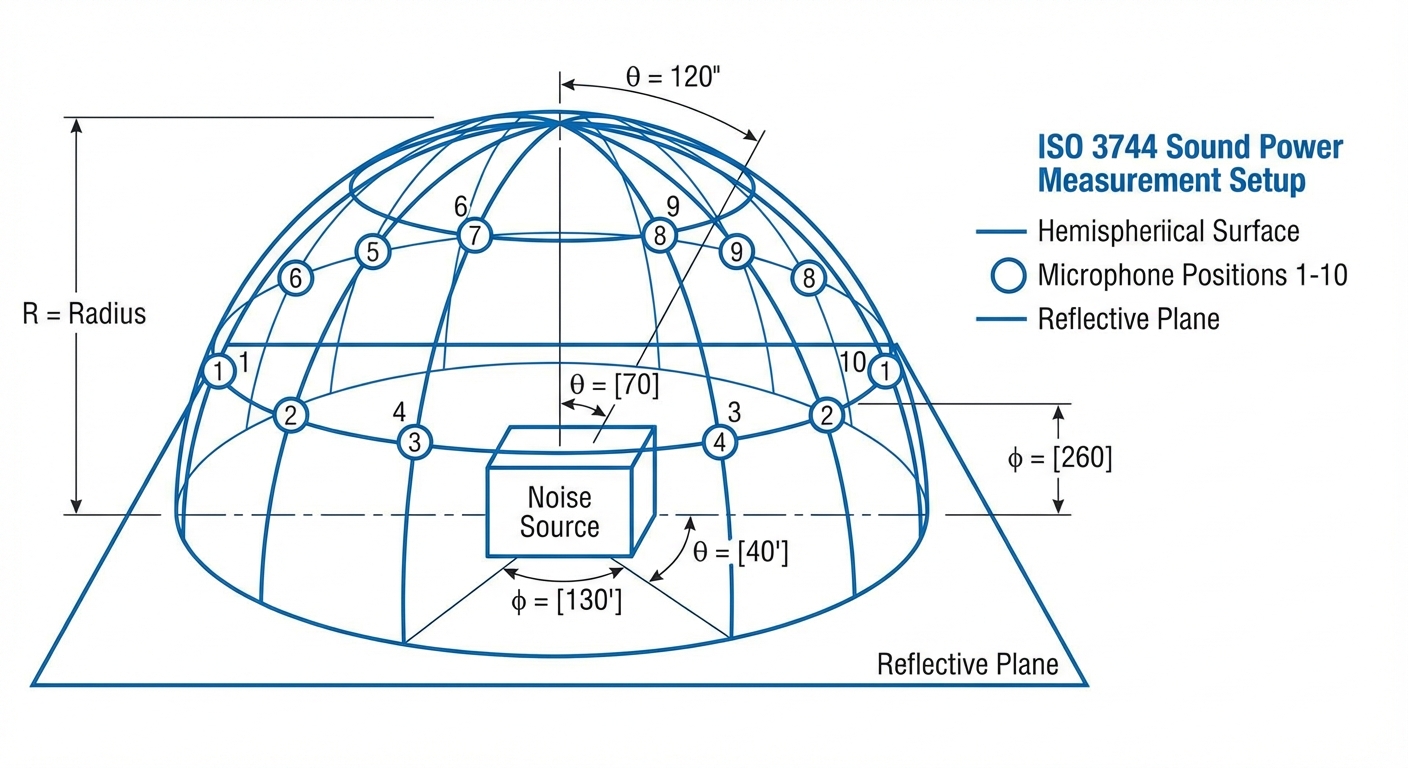
Sound Power via Sound Pressure (ISO 3741–3747)
| Standard | Environment | Accuracy |
|---|---|---|
| ISO 3741 | Reverberation room | Precision (Grade 1) |
| ISO 3744 | Free field over reflecting plane | Engineering (Grade 2) |
| ISO 3745 | Anechoic / hemi-anechoic room | Precision (Grade 1) |
| ISO 3746 | In situ (any environment) | Survey (Grade 3) |
Sound Power via Sound Intensity (ISO 9614 series)
The advantage of the intensity method is its tolerance of background noise and reflections.
Measurement Equipment
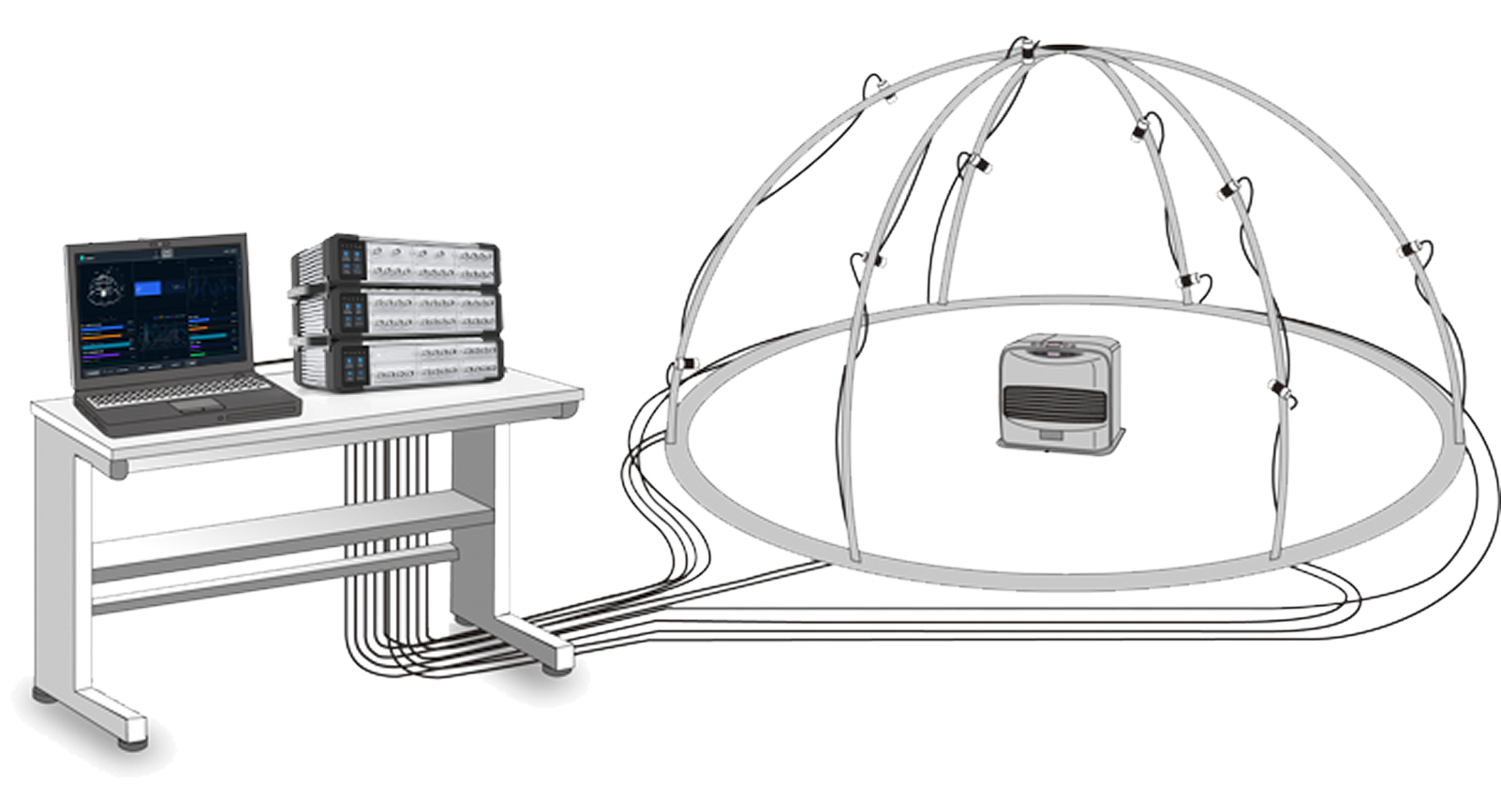
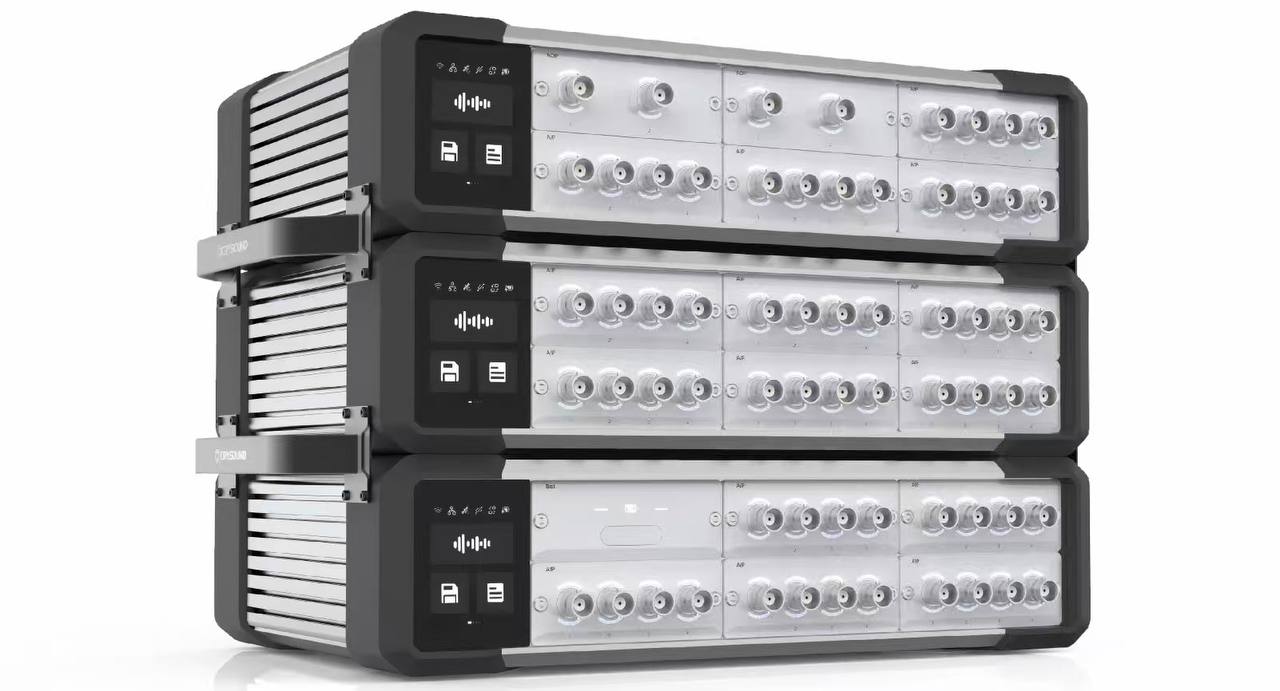
CRYSOUND’s multi-channel data acquisition range includes prepolarized and externally polarized models in 1/2-inch and 1/4-inch formats, covering frequency ranges from 3 Hz to over 100 kHz.
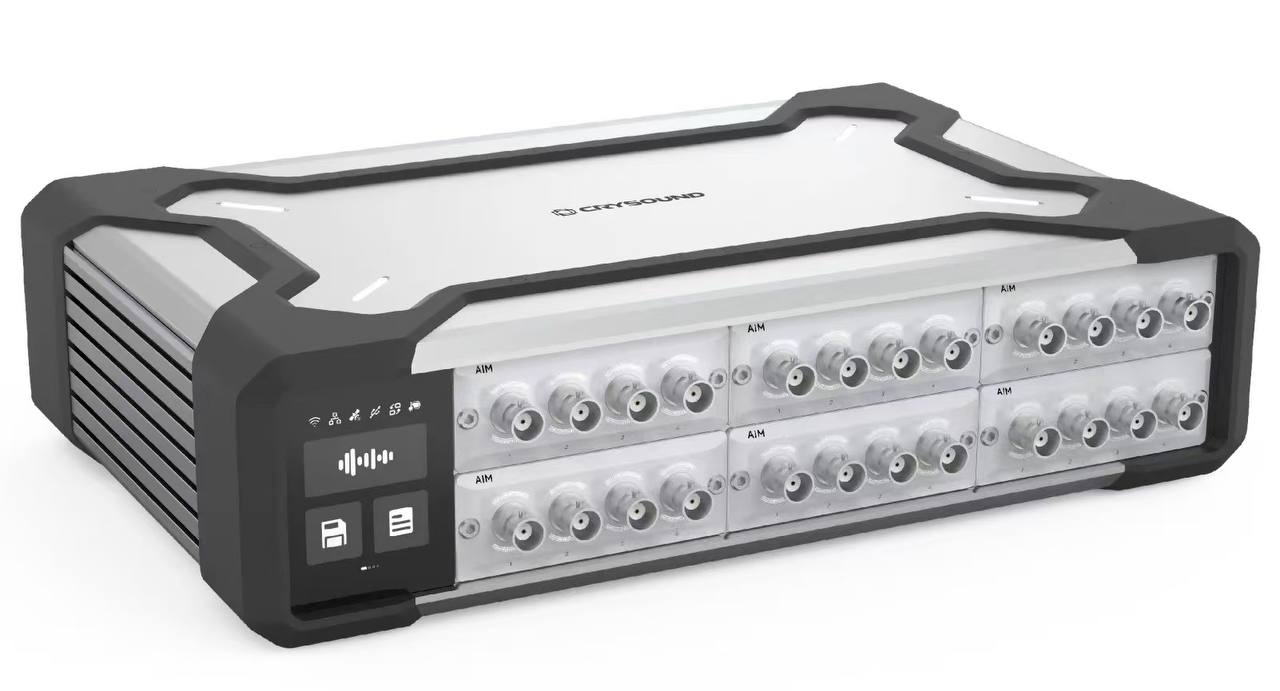
CRYSOUND’s data acquisition platforms support intensity measurement with real-time cross-spectral analysis across all channels.
Practical Decision Guide: Which Quantity Do You Need?
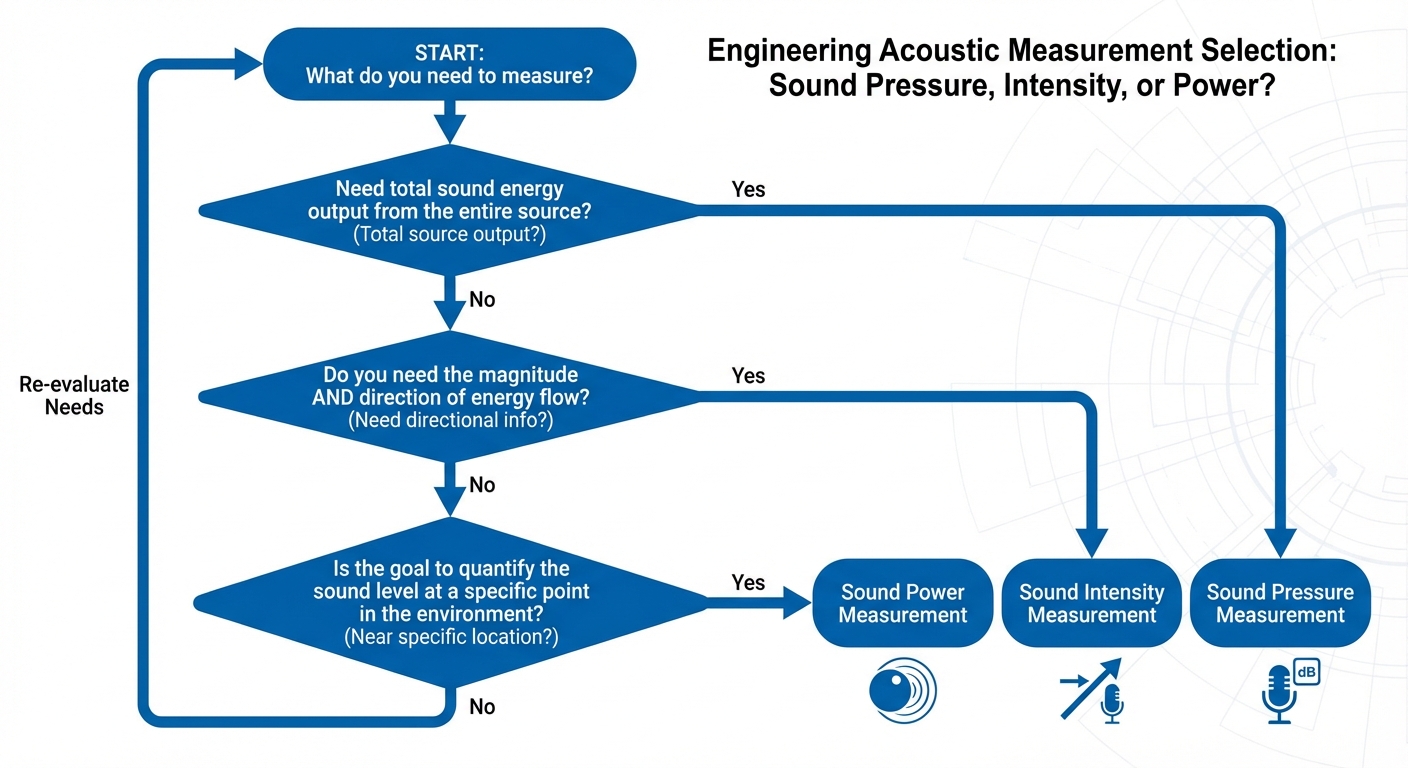
- “I need to check workplace noise regulations.” → Measure sound pressure level per ISO 9612.
- “I need to compare noise output of two machines.” → Request or measure sound power level.
- “I need to find where noise leaks through a wall.” → Measure sound intensity on the receiving side.
- “I need to predict how loud a new machine will be.” → Get the machine’s sound power level, then model.
- “I need to meet the EU Machinery Directive.” → Determine sound power level per ISO 3744/3746.
Summary Table
| Sound Pressure Level | Sound Intensity Level | Sound Power Level | |
|---|---|---|---|
| Quantity type | Scalar | Vector | Scalar |
| Depends on distance | Yes | Yes | No |
| Depends on room | Yes | Partially | No |
| Primary instrument | Sound level meter | Intensity probe | Calculated from SPL or intensity |
| Key standards | IEC 61672 | ISO 9614 | ISO 3741–3747 |
| Best for | Exposure, compliance | Path analysis, in-situ power | Source comparison, prediction |
Conclusion
Sound pressure tells you how loud it is here. Sound intensity tells you how much energy is flowing that way. Sound power tells you how much noise the source makes, period. By understanding these distinctions and selecting the right measurement method, you avoid costly errors and arrive at actionable acoustic data faster.
Need help selecting the right acoustic measurement equipment? Contact CRYSOUND to discuss your application with our acoustics team.
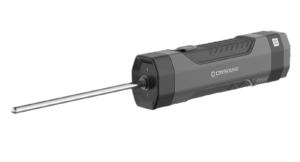
IA3104 Contact Ultrasound Sensor
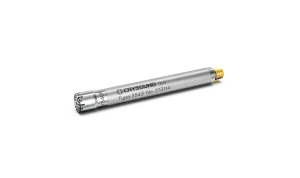
CRY3408-S01 Pressure-field Prepolarized High-level Microphone Set, 1/4", 0.14mV/Pa
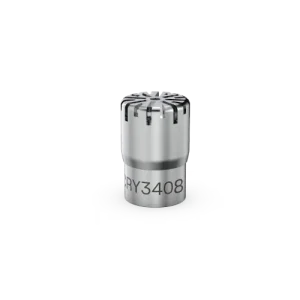
CRY3408 Pressure-field Microphone, 1/4",Prepolarized high-level,0.14 mV/Pa
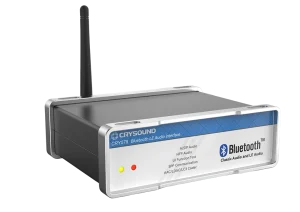
CRY578 Bluetooth LE Audio Interface