AI-Based Headphone Acoustic Anomaly Test System

The CRYSOUND AI-based headphone acoustic anomaly testing solution is built around the CRY acoustic anomaly testing system.
Overview

Overview

In the mass production of TWS headphones and other intelligent audio products, conventional testing approaches, typically combining electro-acoustic measurements with manual listening, are increasingly constrained by inherent limitations. Manual listening relies heavily on individual experience and subjective perception, making it difficult to maintain consistent evaluation standards across operators, shifts, and production batches. Moreover, such approaches struggle to meet the efficiency and takt-time requirements of modern, large-scale automated manufacturing lines. The CRYSOUND AI-based headphone acoustic anomaly testing solution is built around the CRY acoustic anomaly testing system. By integrating AI-driven listening algorithms with a standardized test platform, the solution enables fully automated and intelligent detection of abnormal sounds. Based on a reference model derived from good units, the system analyzes and evaluates headphone playback audio with high stability and consistency, eliminating the need for human listening while delivering reliable, high-throughput acoustic inspection capabilities for mass production environments.
Overview
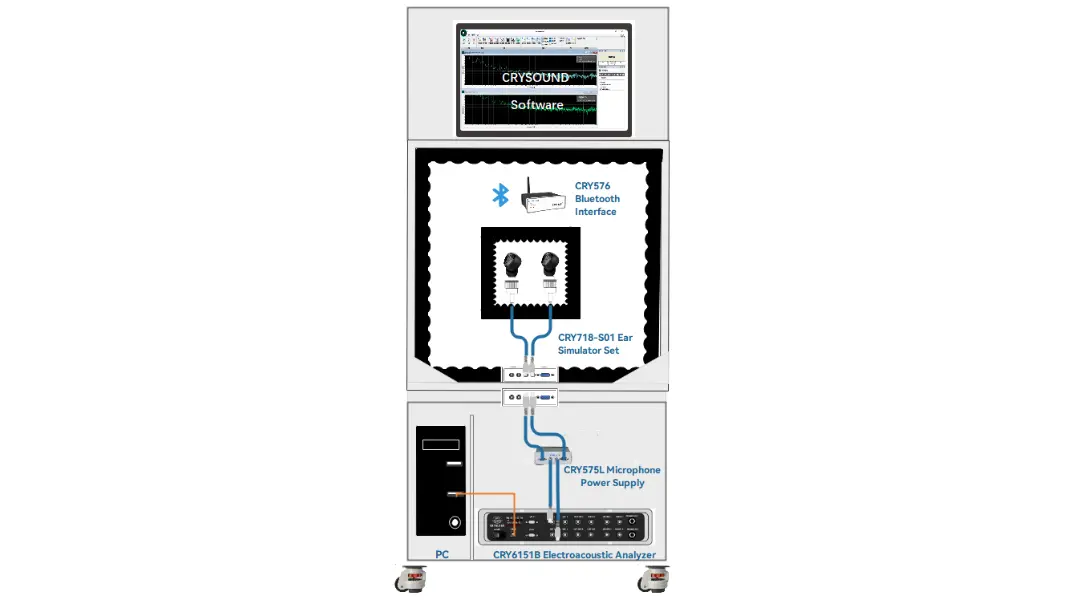
System Block Diagram
System Block Diagram

Training Workflow
> Prepare more than 100 good products for testing and collect data> Use the collected WAV files for modeling> Use the model to test data of good and defective products, and set the pass/fail thresholdTest Workflow> The host computer controls the Bluetooth dongle to connect to the device under test and start production testing

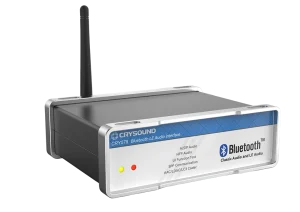
> The Bluetooth dongle controls the device under test to play audio sources, while the CRY711 simulation ear collects data

> The software AI algorithm analyzes the wave file and outputs the test results

System Block Diagram
Features

Features

  • AI-Driven Intelligent Acoustic Anomaly Detection

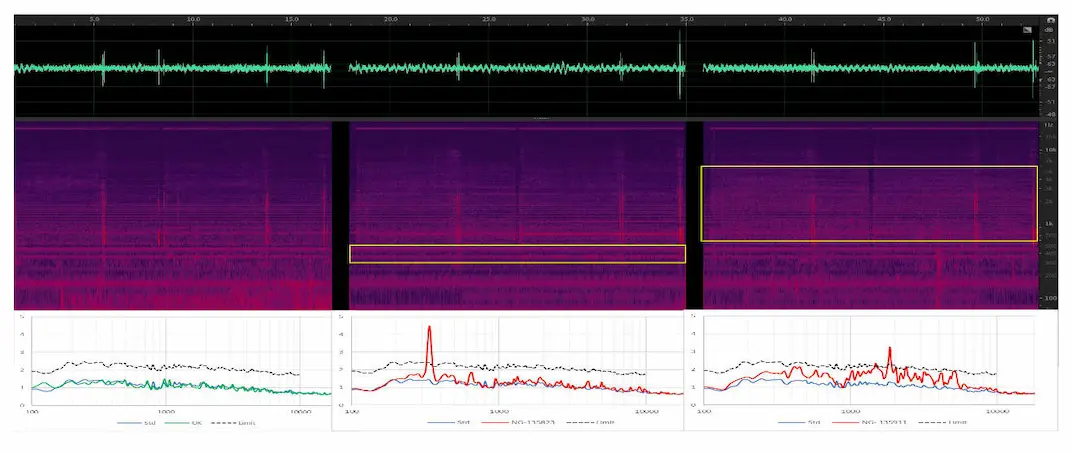
At the core of the solution is an AI-based listening algorithm that learns the acoustic characteristics of good units to establish a stable normal sound model. By comparing test audio against this model, abnormal features are effectively amplified, enabling highly sensitive detection of rubbing noises, transient anomalies, and steady-state acoustic defects. Even in scenarios where conventional analysis methods fail to differentiate defects, the system delivers stable and reliable judgments.

  • High-Efficiency Parallel Testing for Mass Production

The system supports parallel, multi-station testing, allowing multiple headphones to be evaluated simultaneously. This significantly improves test throughput while maintaining high detection accuracy, effectively replacing manual listening and meeting the stringent efficiency and stability requirements of high-volume production lines.

  • Consistent Test Environment and High Replicability

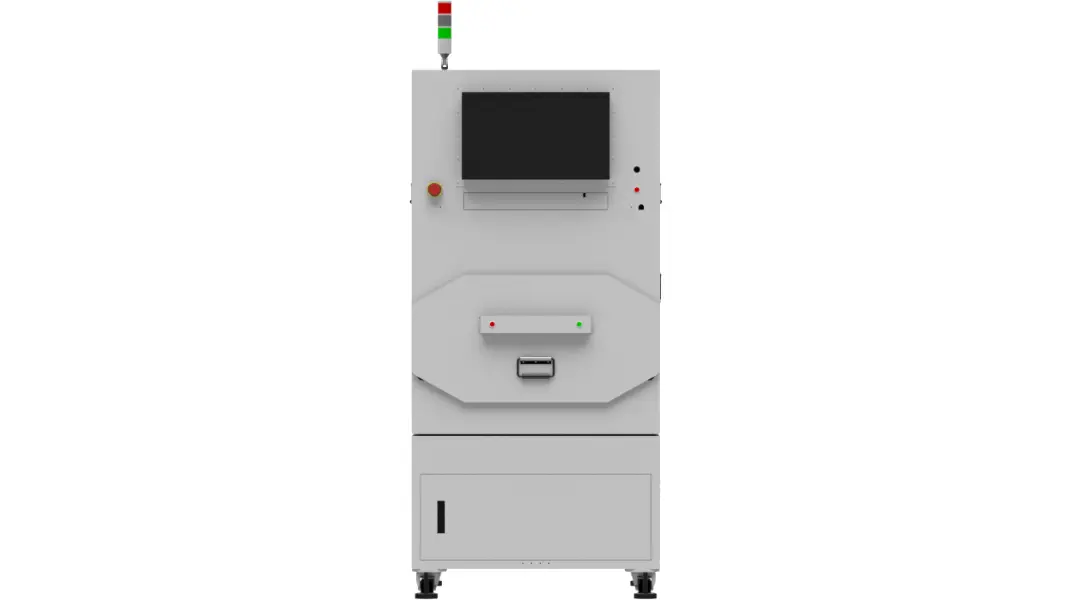
Through a box-in-box acoustic isolation structure and standardized test fixtures, environmental noise interference is minimized, ensuring consistent and comparable test results across different stations and production batches. The modular system design enables flexible deployment and rapid replication, making the solution suitable for R&D validation, pilot production, and large-scale mass manufacturing.
Features
AI Algorithm Overview

AI Algorithm Overview

The core of the CRYSOUND AI listening solution lies in a deep-learning-based acoustic anomaly detection algorithm. The system processes WAV audio data collected during headphone playback and analyzes sound characteristics across both time and frequency domains, providing a comprehensive representation of complex acoustic behavior.During training, only good-unit data is used to establish a stable normal sound model. In production testing, incoming audio data is compared against this reference model. When anomalies such as rubbing noise, transient disturbances, or steady-state defects are present, their acoustic signatures deviate significantly from the normal model and are accurately identified as defects.By leveraging good-unit modeling and differential analysis, the AI listening algorithm delivers stable, consistent anomaly detection without human intervention. It maintains reliable performance even in cases where traditional analysis methods struggle, fully meeting the robustness and repeatability requirements of mass production applications.
AI Algorithm Overview

System Devices

Explore More Cases

Get in touch

If you are interested or have questions about our products, book a demo and we will be glad to show how it works, which solutions it can take part of and discuss how it might fit your needs and organization.

Support Support
Product Catalogs Product Catalogs Solutions Solutions User Manuals User Manuals Software Download Software Download Product Inquiry Product Inquiry Schedule Demo Schedule Demo Technical Support Technical Support +86-571-88225128 +86-571-88225128
Request Quote 0
Request Quote

Contact Us

This site is registered on wpml.org as a development site. Switch to a production site key to remove this banner.